

Blog
What Does The Apron Tie Mean At Oktoberfest?


When you think of Oktoberfest, images of luscious pretzels, frothy beer, and lively polka music probably come to mind. But behind the festive atmosphere lies a rich tapestry of traditions—none more intriguing than the art of apron tying. Yes, that seemingly simple knot around a traditional dress or lederhosen is a cultural symbol packed with meaning. Whether you’re donning your dirndl or strutting in your finest leather trousers, understanding what your apron tie says about you can elevate your Oktoberfest experience from just another beer bash to an enlightening dive into Bavarian customs.
Each twist and pull has its own story to tell. Is it tied to the left or the right? What does it say about your relationship status? In true German fashion, these apron ties are not only practical but also steeped in heritage and character. Don’t worry; we’ll unravel this mystery—and perhaps share a laugh or two along the way! So grab your stein, settle in, and join us on this delightful journey through one of Oktoberfest’s most overlooked yet charming symbols. Trust us; by the end of this article, you’ll not only be swaying with the crowd but confidently conversing about your newfound knowledge as well!
The Apron: A Brief History
The apron holds a special place in Bavarian culture, serving as more than just a practical garment—it’s a visual testament to the region’s rich traditions. The origins of the apron can be traced back to agricultural communities where laborers wore them for protection against dirt and grime while they worked the fields. Traditionally made from durable materials, these early aprons were a practical necessity that morphed into an emblem of Bavarian identity. As the festival culture grew around beer and culinary delights, so too did the significance of the apron evolve, transitioning from utilitarian workwear to vibrant cultural attire worn with pride during Oktoberfest.
Over time, the design of aprons has undergone a remarkable metamorphosis—from simple fabric strips tied around the waist to intricate ensembles adorned with beautiful embroidery and ruffles. By the late 19th century, as Oktoberfest gained popularity, women began wearing dirndls that included elaborate apron designs as part of their authentic attire. These variations were not merely decorative; they often reflected regional styles influenced by local customs and available materials. Each stitch tells a story steeped in history, showcasing everything from family legacies to communal celebrations within Bavaria.

As we venture into contemporary festivities, you’ll find that modern aprons often embody playful designs laden with symbolism. Traditional motifs remind us of centuries-old practices while incorporating fresh colors and patterns that attract both locals and international visitors alike. This blend of history and innovation encapsulates how Bavarians have embraced their past while evolving with modern aesthetics—creating cheerful expressions through timeless attire at Oktoberfest. So next time you see someone sporting an apron at this merrymaking event, remember they’re wearing not just fabric but also threads woven from history itself!
Different Ties, Different Messages
At Oktoberfest, the well-placed knot on a dirndl’s apron isn’t just for show; it’s a subtle but significant way to communicate relationship status. For instance, if you’re strolling through the festival and spot someone with their apron tie positioned on the left side, you might want to start sharpening those pickup lines—this indicates that the wearer is single and ready for some festive flirting! Conversely, a tie on the right side declares ownership or commitment—those wearers are usually off the market. So, before approaching that lovely lass at the beer tent, make sure you’re reading those ties correctly; they could save you from an awkward encounter!

Cultural variations also play a fascinating role in how aprons are tied across different regions. For example, in some Bavarian villages, women may sport their knots differently as part of local traditions. In certain areas near Munich, you’ll find not just traditional ties but also playful twists that signify various social nuances. A particular style unique to specific towns can even act as a talking point amongst locals and tourists alike—you might hear stories about families who pass down specific tying techniques through generations! This rich diversity highlights how something seemingly simple can convey complex messages borne out of regional identity.
Beyond romantic signals, these ties serve as conversation starters among festival-goers who share curiosity about one another’s apparel choices. As patrons sip their steins and relish pretzels amidst joyous laughter and dances like “Ein Prosit,” taking note of one another’s knots fosters connection between strangers. It’s not uncommon to see people strike up conversations bonded by these little cultural cues—perhaps even leading to new friendships over a shared appreciation for apron artistry (and maybe a few misinterpretations along the way)! Embracing this tradition lends an additional layer of fun and understanding during what is often described as ‘the world’s largest Volksfest.
The Meaning Behind Each Knot
When it comes to the apron ties at Oktoberfest, not all knots are created equal. Each knot style can reveal a wealth of information—especially when it comes to relationship status. For instance, the classic “bow tie” positioned on the left side indicates that the wearer is single and ready to mingle, perhaps hoping to catch the attention of fellow festival-goers over a stein or two. On the flip side, if you spot someone with a bow on the right, take it as your cue: they’re happily taken! This interesting duality offers both great humor and a subtle way for people to communicate their availability without uttering a word.
However, it’s essential not to jump to conclusions based solely on these knots. Common misconceptions often arise in this knotty situation; for instance, some newcomers may misinterpret an apron tied in front as an expression of being “ready for action.” In reality, it’s simply more practical than stylish. A front knot can indicate that the wearer is preparing for some serious culinary endeavors – think flipping bratwurst or swinging a ladle rather than looking for romance!
Moreover, different regions in Bavaria might have their nuances regarding how they tie things up. You might find someone sporting a contemporary twist—the artisanal “French knot”—which suggests not only flair but also an appreciation for creativity amidst traditional attire. On the other hand, those sticking strictly to conventional styles are paying homage to their heritage while enjoying an age-old tradition affecting their local community.
Checkout: What Shoes to Wear with Dirndl?
So next time you’re admiring someone’s ensemble at Oktoberfest and eyeing those apron ties closely—remember that each knot has its story and interpretation. With German culture rich in symbolism and custom, what might seem like just another piece of fabric could be telling tales of romance, practicality, or even regional pride—all wrapped up in a beautiful bow (or knot)!
Apron Colors and Patterns: More Than Just Fashion
When it comes to Oktoberfest, the vibrant colors and intricate patterns of traditional attire speak volumes beyond mere aesthetics. Each hue carries symbolism that can provide insights into Bavarian culture and its rich history. For example, shades of blue often represent loyalty and trust, making them a popular choice among festival-goers wanting to convey their steadfastness—perhaps while waiting for another stein! Conversely, red is frequently associated with love and passion, making it an ideal color for those looking to spark romance amid the festivities. So, if you spot someone rocking a crimson apron, you might want to be extra charming—they’re likely there to mingle.
Additionally, the patterns on aprons are not just a fashion statement; they are visual legacies that tell the story of regional heritage across Bavaria’s diverse communities. From checkered designs typical in Munich to floral motifs found in rural areas like Oberbayern or a more rustic look representing the Alpine villages—each design tells where one hails from. In regions known for agriculture, you may notice earthy tones combined with nature-inspired prints that capture local flora, emphasizing a connection to the land and traditions passed down through generations.

What’s fascinating is that these colorful garments often lead to unexpected conversations among festival attendees. A simple compliment about someone’s unique apron pattern could turn into discussions about family histories or favorite spots throughout Germany. After all, who doesn’t love talking about their roots while enjoying pretzels and beer? So next time you’re bewitched by a beautifully crafted apron at Oktoberfest, remember it’s not just fabric—it’s a vivid representation of individual stories interwoven into the larger tapestry of Bavarian tradition.
Practical Aspects of Aprons
When attending Oktoberfest, practicality can be just as important as style. That’s where the apron makes its grand entrance—not only does it add a vibrant splash of Bavarian flair to any outfit, but it’s also packed with functional features that festival-goers absolutely adore. For starters, those pockets are not just for show; they’re lifesavers! Forget fumbling through bags and purses while juggling your pretzel in one hand and your beer stein in the other. With pockets built into these aprons, you can easily stash your essentials: from tickets and cash to the occasional sneaky bratwurst. Talk about convenience at its finest!
But wait, there’s more! Apart from being pocket-friendly, aprons serve as a protective shield against spills and splatters—a must when indulging in hearty German fare. Imagine enjoying a delightful plate of schnitzel or an overflowing serving of sauerkraut while navigating crowded tents filled with boisterous revelers. The last thing you want is to emerge victorious from the culinary battleground only to discover that you’re now wearing yesterday’s greasy leftovers as a badge of honor. Thankfully, aprons can absorb those accidental dribbles (and maybe even help start some unique conversations).
And let’s not forget how aprons elevate the culinary experience at Oktoberfest itself! Traditionally worn by chefs or waitstaff serving up traditional dishes, these garments have become synonymous with festivity and flavor. They signal authenticity in each perfectly grilled sausage or freshly baked pretzel served up with glee. Wearing an apron allows visitors to embrace their inner food enthusiast; many attendees enjoy getting involved in cooking demonstrations or workshops throughout the festival—complete with their very own personalized apron to don while stirring giant pots of deliciousness.
Also Read: What’s Behind the Dirndl Controversy
In essence, aprons at Oktoberfest are far more than mere accessories; they embody functionality steeped in tradition while fostering a sense of community among food lovers everywhere. Whether you’re using those handy pockets to store little treasures collected along your festival journey or protecting yourself from another round of spilled mustard—the humble apron has you covered (literally!). So go ahead, make your apron choice count this year—functionality never looked so good!
Dressing for Success: Choosing Your Apron Style
When it comes to selecting the perfect apron for Oktoberfest, it’s not just about looking good; it’s about feeling comfortable while you indulge in pretzels and beer. A traditional dirndl or lederhosen’s charm can be beautifully complemented with an apron that speaks not only to your style but also to your personality. First things first, consider the fit—opt for something that’s neither too tight nor too loose, allowing for those critical dance moves after a few steins of the finest brew! Look for adjustable ties; they can make all the difference when you’re juggling bratwursts and cheers from friends.
Now, let’s talk brands! Local Bavarian brands often offer exquisite aprons adorned with intricate designs that honor centuries-old craftsmanship. Places like Trachten Bräu create pieces that aren’t just functional—they’re works of art. But don’t overlook global inspirations! Retailers like Etsy feature artisans from around the world who craft unique aprons that reflect diverse cultural backgrounds. Mixing local authenticity with a splash of international flair could earn you some serious style points as you toast to tradition on this vibrant festival ground!
Also Read: Do You Wear Socks With a Dirndl?
When choosing fabrics, lightweight cotton tends to be a fantastic choice since it keeps things breezy during those sun-filled festivals. Additionally, opt for vibrant colors or playful patterns; floral motifs, cheerful checkered prints, or even avant-garde styles are popular choices these days. After all, Oktoberfest is a time of celebration! You’ll want your apron to exude joy and festivity as much as your spirit does.
Finally, don’t forget about utility — look for options that include pockets where you can stash vital items such as cash (or more importantly, a pretzel!) safely away. An apron might just seem like a fashion accessory at first glance, but its strategic design enhances both practicality and charm—making sure you’re dressed for success on every level at Oktoberfest!
Embracing Tradition while Having Fun
Oktoberfest is a lively celebration steeped in tradition, but that doesn’t mean you need to don the same cookie-cutter outfit as everyone else. Balancing authenticity with personal flair can elevate your festival experience, allowing your personality to shine through while still paying homage to Bavarian heritage. Think of it as a fun game: how can you stay true to traditional attire while adding a twist that reflects who you are? Some festival-goers adorn their aprons with quirky pins or themed patches, transforming a simple piece of clothing into an expressive canvas.
Take the case of Klaus, a seasoned attendee from Munich who believes he’s the reigning king of apron ties. Each year, he chooses a different knot based on mood and inspiration from pop culture. One year he tied his apron in the style reminiscent of classic ’90s sitcoms—awkward yet endearing—and greeted fellow revelers with themed quotes, instantly breaking the ice and sparking conversations about nostalgia and shared humor. Stories like Klaus’s remind us how personal touches can create memorable experiences at Oktoberfest.
-
Product on sale
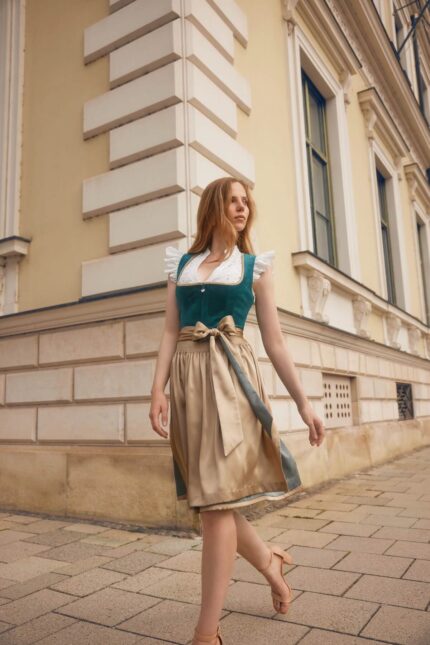 Dirndl RoselineOriginal price was: £ 500.00.£ 299.00Current price is: £ 299.00.
 -
Product on sale
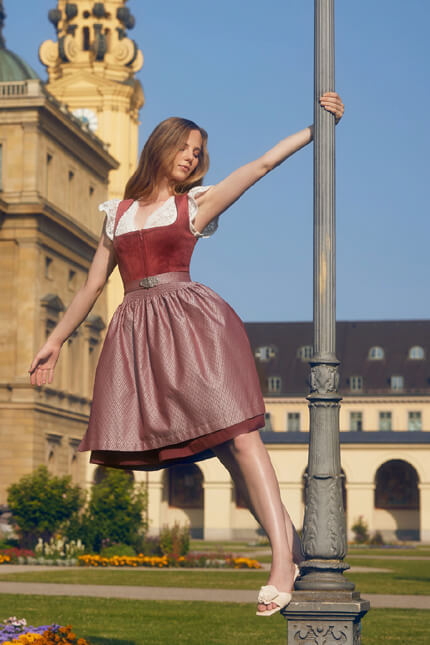 Damilia DirndlOriginal price was: £ 400.00.£ 249.00Current price is: £ 249.00.
 -
Product on sale
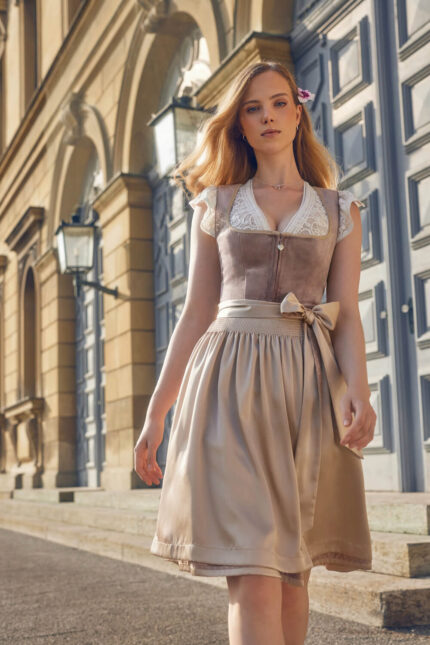 Desirée DirndlOriginal price was: £ 500.00.£ 299.00Current price is: £ 299.00.
 -
Product on sale
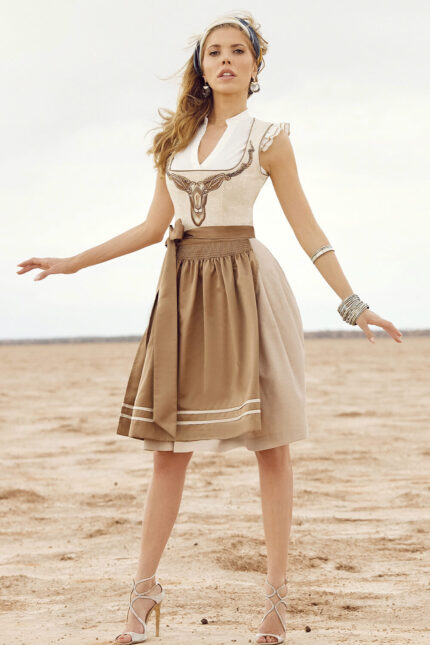 Wontorra DirndlOriginal price was: £ 500.00.£ 399.00Current price is: £ 399.00.
 -
Product on sale
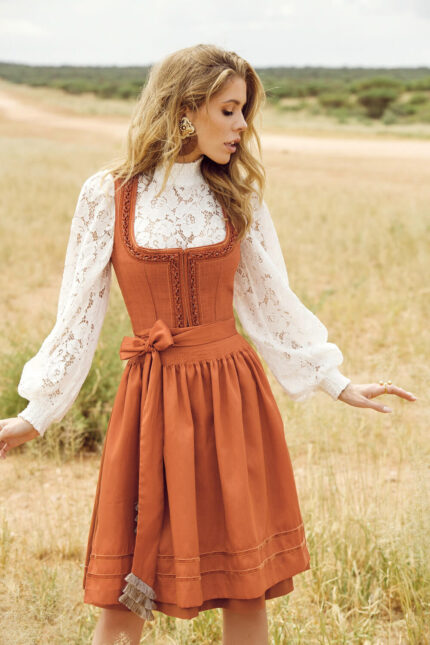 Eilfeld DirndlOriginal price was: £ 500.00.£ 399.00Current price is: £ 399.00.
 -
Product on sale
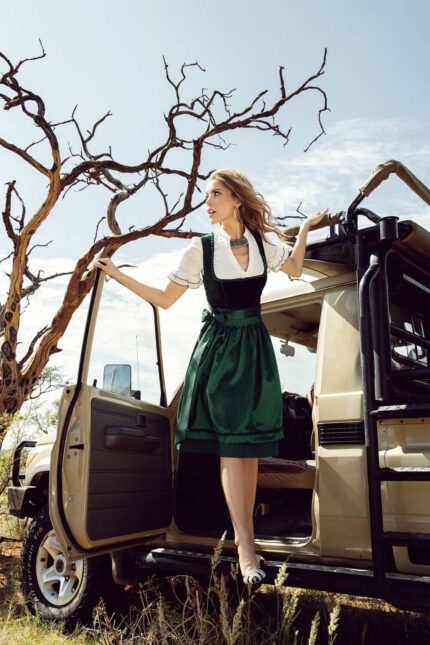 Carina DirndlOriginal price was: £ 500.00.£ 399.00Current price is: £ 399.00.


The beauty of embracing your unique tie choices doesn’t stop there; many attendees opt for unconventional colors or patterns that tell their own stories. For example, Maria, visiting from California for her first Oktoberfest, decided to blend her heritage with tradition by wearing an apron featuring vibrant floral designs typical of both Mexican and German textiles. The result? A stylish conversation starter that encouraged curious locals to ask about her story, leading to new friendships over hearty sausages and frosty steins.
Ultimately, finding this balance allows festival-goers not only to participate in centuries-old traditions but also to make new memories that will last a lifetime. So go ahead—twist that apron string into something uniquely yours! Embrace expression alongside tradition at Oktoberfest; after all, what’s more, festive than laughter shared over creative ensembles and stories told through those playful knots?
Wrapping It Up: The Tie That Binds
So there you have it! An apron tie at Oktoberfest isn’t just a stylish accessory; it’s a vibrant conversation starter. Whether you’re flaunting your relationship status or just showcasing your flair for fashion, you’re part of a rich tradition that connects everyone celebrating together. Who knew that something as simple as how you tie an apron could spark laughter, camaraderie, and maybe even a new friend?
Also Read: Dirndl vs. Lederhosen: Which is Best for Women?
As you don your apron and make your way to the festival, take a moment to appreciate the deeper layers of German culture. Dive into conversations about traditions, share stories with fellow revelers, and perhaps as Dirndl Blouses someone what their tie means. Embrace the fun while gaining insight into this colorful celebration—because when it comes to Oktoberfest, there’s always more to discover than just beer and pretzels! Prost!
Conclusion
In the heart of Oktoberfest’s vibrant celebration lies a charming tradition that goes beyond the festive beer and lively music—the art of apron tying. This seemingly simple aspect of traditional Bavarian attire is imbued with cultural significance and personal meaning. From signaling relationship status to reflecting regional heritage and personal style, each apron knot and color tells a unique story.
As you immerse yourself in the festivities, remember that your apron is not just a piece of clothing but a conversation starter and a symbol of tradition. Embrace the rich history behind each tie and enjoy the fun of discovering and sharing its meanings with fellow festival-goers. By appreciating these details, you enhance your Oktoberfest experience and deepen your connection to the cultural tapestry of this joyous celebration. So, enjoy the music, savor the food, and let your apron be a delightful part of your festive journey. Prost to a memorable Oktoberfest filled with tradition, connection, and celebration!


