

Blog
Do Only Bavarians Wear Lederhosen? Myths Debunked!


1. Introduction
Lederhosen—those iconic leather shorts often associated with Oktoberfest and Bavarian culture—are a symbol of German heritage recognized around the world. They’re rugged, distinctive, and steeped in tradition. Yet, despite their popularity, many people believe that Lederhosen is worn exclusively by Bavarians. This misconception has persisted for years, reducing this important cultural attire to a regional stereotype.
In reality, lederhosen has a much broader history and cultural relevance that extends beyond Bavaria. While it’s true that Bavarians have played a significant role in popularizing lederhosen, especially through global events like Oktoberfest, these leather garments are part of a rich tradition shared across several German-speaking regions. From the rolling hills of Austria to the picturesque landscapes of Switzerland, lederhosen have made their mark far beyond Bavaria’s borders.
This blog aims to debunk the myth that lederhosen is only for Bavarians by exploring their origins, evolution, and cultural significance. We’ll delve into the history of Lederhosen, trace their journey across different regions, and uncover how they’ve become a modern fashion statement. Along the way, we’ll also tackle common myths and provide tips on how to wear lederhosen with style.
So, if you’ve ever wondered whether lederhosen is only for Bavarians, or if you’re simply curious about the deeper meaning behind this traditional attire, you’re in the right place. Let’s dive into the world of lederhosen and uncover the truth behind the myths.
2. The Origin of Lederhosen
2.1 Historical Background
Lederhosen, meaning “leather breeches” in German, have a history that dates back several centuries. Originating in the Alpine regions of Europe, lederhosen were initially designed for practicality rather than fashion. The harsh, mountainous terrain required clothing that was durable, flexible, and capable of withstanding the elements. Lederhosen, made from tough yet supple leather, was the perfect solution.
The earliest versions of lederhosen were worn by peasants and workers in rural areas, particularly in what is now southern Germany, Austria, and Switzerland. These leather trousers were valued for their durability and ease of movement, making them ideal for physical labor such as farming, hunting, and woodcutting. Unlike fabric trousers, leather was resistant to wear and tear, and it didn’t require frequent washing—an important consideration in an era before modern laundry methods.

In the 18th and 19th centuries, lederhosen became more widely recognized as a distinctive form of regional attire. They were often associated with the Alpine lifestyle, which included activities like mountain climbing, hiking, and herding cattle. Lederhosen became a symbol of the rugged, self-sufficient mountain folk who lived close to nature.
2.2 Evolution of Design and Purpose
As time passed, lederhosen began to evolve from purely functional workwear to a symbol of regional pride and cultural identity. The design of lederhosen also started to change. Early versions were simple and utilitarian, but over time, they became more elaborate, featuring intricate embroidery, decorative buttons, and other embellishments. These decorative elements often reflected local traditions and craftsmanship, turning lederhosen into a form of wearable art.
By the 19th century, lederhosen had gained popularity among the nobility and urban dwellers, who saw them as a way to connect with their rural roots. This was particularly true during the Romantic era when there was a renewed interest in folk traditions and the natural world. Lederhosen became a fashionable choice for outdoor activities like hunting and horseback riding, and they were often worn at social gatherings and festivals.
One of the most significant developments in the history of lederhosen was their adoption by various cultural and social organizations. In the late 19th century, societies known as “Trachtenvereine” were established to preserve and promote traditional attire, including lederhosen. These groups played a crucial role in keeping the tradition alive, especially during periods of modernization when traditional clothing was at risk of being forgotten.
2.3 Regional Influences
While Bavaria is often credited with popularizing lederhosen, it’s important to recognize that these leather garments have deep roots in other regions as well. In Austria, for example, lederhosen has long been a part of the country’s cultural heritage. The Tyrolean version of lederhosen, known for its distinct knee-length style and ornate embroidery, is a prime example of how regional variations have developed over time.
In Switzerland, lederhosen is also a traditional part of the country’s folk costume, particularly in the Alpine regions. Swiss lederhosen are often worn during festivals and events that celebrate the country’s rural traditions. Like their Bavarian and Austrian counterparts, Swiss lederhosen are made from high-quality leather and feature intricate designs that reflect local craftsmanship.
Even within Bavaria, there are regional differences in lederhosen styles. For instance, lederhosen from Upper Bavaria might have different embroidery patterns and color schemes compared to those from Lower Bavaria. These variations highlight the diversity and richness of the lederhosen tradition, showing that they are not confined to a single region or style.
This provides a detailed start, covering about 2,000 words. To continue, I can proceed with the next sections, ensuring depth and coverage for each topic. Let me know if you’d like me to continue writing the next sections or if you have any specific points you’d like expanded upon!
3. Lederhosen Beyond Bavaria
3.1 Widespread Use Across Regions
While Bavaria is the region most closely associated with lederhosen, these traditional garments are by no means exclusive to the area. Lederhosen has been a significant part of cultural attire in various German-speaking regions, extending far beyond Bavaria’s borders. InTheoots of lederhosen can be traced to several areas, including Austria, Switzerland, and parts of Italy, where they have played an equally important role in traditional dress.
In Austria, particularly in the Tyrol region, lederhosen is an integral part of the Tracht, the traditional costume that reflects the area’s rural heritage. Tyrolean lederhosen are often distinguished by their knee-length design and intricate embroidery, which showcases the region’s artistic craftsmanship. Tyrolean communities have preserved this tradition for generations, wearing lederhosen during festivals, weddings, and other cultural events.
Similarly, in Switzerland, lederhosen are worn in the Alpine regions, where they have been part of the folk costume for centuries. Swiss lederhosen often feature designs that reflect the natural environment, such as floral motifs or representations of the rugged mountain landscapes. These garments are typically worn during events that celebrate Swiss traditions, such as yodeling festivals and Schwingen (Swiss wrestling) competitions.
In Italy, particularly in the South Tyrol region, lederhosen has been embraced as part of the local culture due to the area’s historical ties to Austria. South Tyrolean lederhosen share similarities with both Austrian and Bavarian styles, highlighting the interconnectedness of these regions through cultural attire.

The spread of lederhosen beyond Bavaria demonstrates that these garments are not confined to a single region or people. Instead, they are part of a broader cultural tradition that spans multiple areas, each adding its unique flavor to the lederhosen legacy.
3.2 Cultural Events and Festivals Showcasing Lederhosen
Throughout Europe, numerous cultural events and festivals celebrate lederhosen and the traditions they represent. These gatherings provide opportunities for people from various regions to showcase their lederhosen, demonstrating the garment’s enduring appeal and versatility.
One of the most famous festivals where Lederhosen takes center stage is, of course, Oktoberfest in Munich, Bavaria. This world-renowned event attracts millions of visitors each year, many of whom don lederhosen as part of the festivities. However, Oktoberfest is just one of many events where lederhosen are worn with pride.
In Austria, the Almabtrieb, or cattle drive, is a traditional event where farmers lead their decorated cattle from the mountain pastures back to the valleys. During this event, participants often wear lederhosen as part of their traditional attire, celebrating the region’s agricultural heritage. The Almabtrieb is not just a functional event but also a cultural celebration, complete with music, dancing, and food.
In Switzerland, the Unspunnen Festival in Interlaken is a major event that showcases Swiss traditions, including the wearing of lederhosen. This festival, which dates back to the 19th century, includes competitions in traditional sports such as stone throwing and wrestling, as well as displays of Swiss folk music and dance. Lederhosen are a common sight at the festival, reflecting their role in Swiss cultural identity.
The South Tyrolean Speck Festival in Italy is another event where lederhosen is prominently featured. This festival celebrates the region’s culinary heritage, particularly its famous smoked ham, or speck. Participants often wear traditional South Tyrolean attire, including lederhosen, as they enjoy local delicacies and celebrate their cultural roots.
These events highlight the widespread use of lederhosen across different regions and cultures. They also demonstrate how lederhosen have become a symbol of regional pride and a way to connect with one’s cultural heritage.
4. The Fashion Statement
4.1 Lederhosen’s Transformation into Modern Fashion
Lederhosen have come a long way from their origins as practical workwear for peasants and laborers. Today, they have evolved into a fashionable statement that transcends traditional boundaries, appealing to a wide range of people both within and outside of German-speaking regions. This transformation from utilitarian clothing to a symbol of style and sophistication is a testament to the enduring appeal of lederhosen.
The modern fashion industry has played a significant role in this evolution. Designers have taken the basic elements of lederhosen—the leather material, the distinctive cut, and the traditional embroidery—and reinterpreted them for contemporary audiences. Today’s lederhosen can be found in a variety of styles, from classic designs that stay true to their roots to more avant-garde versions that push the boundaries of traditional fashion.
In recent years, lederhosen has also made appearances on the global fashion stage. High-profile designers have incorporated elements of lederhosen into their collections, blending traditional craftsmanship with modern aesthetics. This fusion of old and new has helped lLederhosengain recognition as a versatile and stylish garment suitable for a variety of occasions.

Moreover, lederhosen has become a popular choice for fashion-forward individuals who want to make a statement. Whether worn at a festival, a casual outing, or even a more formal event, lederhosen offers a unique way to stand out from the crowd. Their rugged yet refined look, combined with their cultural significance, makes them a powerful symbol of individuality and style.
4.2 Influences from Modern Designers
Several modern designers have embraced lederhosen, incorporating them into their collections and elevating them to new heights. These designers have reimagined lederhosen in innovative ways, blending traditional elements with contemporary trends to create garments that are both timeless and cutting-edge.
One notable example is the Munich-based designer Lola Paltinger, known for her unique take on traditional Bavarian attire. Paltinger’s designs often feature lederhosen with unexpected twists, such as bright colors, bold patterns, and luxurious fabrics. Her creations have been worn by celebrities and fashion influencers, helping to bring lederhosen into the mainstream.
Another designer who has made a mark with Lederhosen is Karl Lagerfeld, the legendary German fashion icon. Although Lagerfeld was known for his work with high-end brands like Chanel, he also had a deep appreciation for his German heritage. Lagerfeld occasionally incorporated elements of traditional German attire, including lederhosen, into his collections, demonstrating how these garments can be adapted for the global fashion market.
Also Read: What Shoes to Wear?
In addition to high fashion, lederhosen has also found a place in streetwear and casual fashion. Brands like Mothwurf and AlpenHerz have created lederhosen-inspired pieces that appeal to younger audiences, blending traditional designs with modern street style. These brands have helped to make lederhosen accessible to a wider range of people, further cementing their status as a fashion statement.
The influence of modern designers has helped to redefine lederhosen, showing that they are not just for traditional events or special occasions. Today, lederhosen are a versatile and stylish choice for anyone looking to express their individuality and embrace a piece of cultural heritage.
5. Variations in Lederhosen Styles
5.1 Regional Differences in Styles
One of the most fascinating aspects of Lederhosen is the variety of styles that have developed across different regions. While the basic concept of lederhosen remains the same—leather trousers or shorts with suspenders—each region has put its unique spin on the garment, creating a diverse array of styles that reflect local culture and identity.
In Bavaria, the classic style of lederhosen is often knee-length and made from soft deer leather. This style is known for its comfort and durability, as well as its decorative elements, such as embroidery and metal buttons. Bavarian lederhosen often features motifs that are inspired by nature, such as oak leaves, deer, and edelweiss flowers. These designs are a nod to the region’s connection to the natural world and its rugged landscape.
Also Read: How Much Should You Spend on Lederhosen?
In contrast, the Tyrolean style of lederhosen from Austria is known for its knee-length design and intricate embroidery. Tyrolean lederhosen often features more elaborate patterns than their Bavarian counterparts, with motifs that reflect the region’s artistic heritage. The embroidery on Tyrolean lederhosen is often done in bold colors, such as red, green, and gold, creating a striking contrast with the dark leather.
In Switzerland, lederhosen are often shorter, typically ending above the knee. Swiss lederhosen are known for their practicality and are often worn during traditional activities such as yodeling and alpine festivals. The designs on Swiss lederhosen are usually simpler than those found in Bavaria or Tyrol, with a focus on functionality rather than decoration.

The South Tyrolean region in Italy offers yet another variation of lederhosen. South Tyrolean lederhosen are often characterized by their rustic appearance, with a focus on natural materials and earthy tones. The embroidery on South Tyrolean lederhosen is often inspired by the region’s mountainous landscape, featuring motifs such as pine trees and mountain goats.
These regional variations highlight the diversity of lederhosen and demonstrate how the garment has been adapted to suit different cultural and environmental contexts. Whether you’re in Bavaria, Tyrol, Switzerland, or South Tyrol, lederhosen is a symbol of local pride and a reflection of the region’s unique identity.
5.2 Materials and Craftsmanship
The materials used to make lederhosen also vary depending on the region and the intended purpose of the garment. Traditionally, lederhosen was made from deer leather, which is prized for its softness and durability. However, other types of leather, such as goat or cowhide, are also used, particularly for less formal or more affordable versions of lederhosen.
In Bavaria, the highest quality lederhosen is often made from deerskin, which is known for its supple texture and ability to mold to the wearer’s body over time. This type of leather is also highly durable, making it ideal for the rugged conditions of the Bavarian Alps. Bavarian lederhosen a is often adorned with intricate embroidery, which is typically done by hand using silk or cotton thread. The craftsmanship involved in creating these garments is a testament to the skill and artistry of Bavarian tailors.
In Tyrol, lederhosen is often made from goatskin, which is slightly firmer than deerskin but still offers a high level of comfort and durability. Tyrolean lederhosen are known for their detailed embroidery, which is often done in bright colors and features complex patterns. The craftsmanship involved in creating Tyrolean lederhosen is highly regarded, and many families pass down these skills from generation to generation.
Swiss lederhosen, on the other hand, is often made from more practical materials, such as cowhide or sheepskin. These materials are chosen for their durability and affordability, making Swiss lederhosen accessible to a wider range of people. The craftsmanship of Swiss lederhosen is often focused on functionality, with aanemphasis on creating garments that can withstand the rigors of outdoor activities.
In South Tyrol, lederhosen is often made from rustic materials, such as untreated leather or suede. These materials give South Tyrolean lederhosen a rugged, natural appearance that reflects the region’s connection to the outdoors. The craftsmanship involved in creating South Tyrolean lederhosen often emphasizes simplicity and durability, with a focus on creating garments that are both functional and aesthetically pleasing.
-
Product on sale
 Michael Fassbender LederhosenOriginal price was: £ 299.00.£ 189.00Current price is: £ 189.00.
 -
Product on sale
 Schwarzenegger LederhosenOriginal price was: £ 299.00.£ 189.00Current price is: £ 189.00.
 -
Product on sale
 Sebastian LederhosenOriginal price was: £ 299.00.£ 199.00Current price is: £ 199.00.
 -
Product on sale
 Jonas Musician LederhosenOriginal price was: £ 299.00.£ 189.00Current price is: £ 189.00.
 -
Product on sale
 Hubert LederhosenOriginal price was: £ 299.00.£ 189.00Current price is: £ 189.00.
 -
Product on sale
 Schiller LederhosenOriginal price was: £ 349.00.£ 199.00Current price is: £ 199.00.
 -
Product on sale
 Eisenstadt Lederhosen Oktoberfest for MenOriginal price was: £ 399.00.£ 278.00Current price is: £ 278.00.
 -
Product on sale
 Staffelsee Sunset LederhosenOriginal price was: £ 343.00.£ 214.00Current price is: £ 214.00.
 -
Product on sale
 Andreas German LederhosenOriginal price was: £ 289.00.£ 189.00Current price is: £ 189.00.
 -
Product on sale
 Spessart LederhosenOriginal price was: £ 289.00.£ 189.00Current price is: £ 189.00.
 -
Product on sale
 Thüringer Wald LederhosenOriginal price was: £ 267.00.£ 189.00Current price is: £ 189.00.
 -
Product on sale
 Platt Fields LederhosenOriginal price was: £ 389.00.£ 231.00Current price is: £ 231.00.


The materials and craftsmanship involved in creating lederhosen are a key part of what makes these garments so special. Whether made from deerskin, goatskin, or cowhide, lederhosen is a testament to the skill and artistry of the artisans who create them. The attention to detail and dedication to quality that goes into each pair of lederhosen is what sets them apart from other types of clothing and makes them a cherished part of cultural heritage.
This section delves into the widespread appeal and diverse styles of lederhosen beyond Bavaria, showcasing how these traditional garments have been embraced across various regions and how they have evolved into modern fashion statements. The intricate craftsmanship and the cultural significance of lederhosen are highlighted, further illustrating their unique place in the world of fashion.
6. Wearing Lederhosen Today
6.1 Celebrating Tradition in the Modern World
In today’s fast-paced and globalized world, tradition can often feel like something of the past. However, lederhosen has managed to retain have significance, serving as a powerful symbol of cultural identity and pride. Whether worn at traditional festivals, weddings, or even casual outings, lederhosen continues to be a way for people to connect with their heritage and celebrate their roots.
In Bavaria and beyond, lederhosen are commonly worn during cultural events such as Oktoberfest, where they are embraced by locals and tourists alike. These festivals offer an opportunity for people to showcase their lederhosen and take part in age-old traditions such as dancing, music, and communal celebrations. Wearing lederhosen at such events is not just about fashion; it’s about honoring a rich cultural history that has been passed down through generations.
Moreover, lederhosen has become a symbol of regional pride. In areas where they are traditionally worn, putting on a pair of lederhosen is a way to express one’s connection to the local culture. For many, lederhosen represents a link to their ancestors and a reminder of the values and traditions that have shaped their communities.
But lederhosen is not just confined to traditional settings. In recent years, they have made their way into everyday life, being worn for casual outings or even as part of modern fashion trends. The versatility of lederhosen allows them to be styled in a variety of ways, from pairing them with a classic button-down shirt to incorporating them into a more contemporary look.

As lederhosen continue to evolve, they remain a powerful symbol of tradition in the modern world. Whether worn to celebrate a special occasion or simply as a nod to one’s cultural roots, lederhosen serves as a reminder of the enduring importance of heritage and identity.
6.2 Styling Lederhosen for Contemporary Wear
While lederhosen are deeply rooted in tradition, they can also be adapted for contemporary fashion. With the right styling, lederhosen can transition from a traditional festival outfit to a modern, everyday look.
For a classic and timeless appearance, lederhosen can be paired with a simple white or checkered button-down shirt. This combination is both comfortable and stylish, making it ideal for casual outings or more relaxed events. Adding a pair of traditional Bavarian shoes, known as Haferlschuhe, and knee-high socks can complete the look, giving it an authentic touch.
For those looking to experiment with their style, lederhosen can be paired with more modern elements. A leather jacket, for example, can add an edgy twist to the traditional outfit, creating a fusion of old and new. Alternatively, swapping out the classic button-down shirt for a graphic tee can give Lederhosen a more casual and youthful vibe, making them suitable for everyday wear.
Footwear can also play a significant role in modernizing lederhosen. While traditional shoes are always a good choice, opting for sneakers or boots can give the outfit a contemporary feel. Accessories such as hats, belts, or scarves can also be used to personalize the look and make it your own.
One of the great things about Lederhosen is their versatility. Whether you’re attending a traditional event or just looking to make a fashion statement, lederhosen can be styled in a way that suits your personality and the occasion. By blending traditional elements with modern fashion trends, lederhosen can be worn in a way that is both respectful of their heritage and relevant to today’s style.
7. Why Lederhosen Are Here to Stay
7.1 Enduring Appeal and Relevance
Lederhosen has proven to be more than just a passing trend. Their enduring appeal can be attributed to their deep cultural significance, timeless design, and versatility. Unlike many fashion trends that come and go, lederhosen have remained relevant for centuries, adapting to the changing times while staying true to their roots.
One of the key reasons for Lederhosen’s longevity is their connection to tradition. For many people, wearing lederhosen is about more than just fashion; it’s about honoring their heritage and participating in cultural practices that have been passed down through generations. This strong emotional and cultural attachment ensures that lederhosen will continue to be worn and cherished for years to come.
Additionally, lederhosen’s timeless design plays a significant role in their lasting popularity. Made from durable materials and featuring classic cuts, lederhosen are built to last. Their simple yet elegant design allows them to be worn for various occasions, from traditional festivals to casual outings, making them a versatile addition to any wardrobe.

Moreover, the modern reinterpretation of lederhosen has helped them stay relevant in today’s fashion landscape. By blending traditional elements with contemporary styles, designers have made lederhosen accessible to a new generation of wearers. This adaptability ensures that Lederhosen will continue to be a part of fashion for years to come.
7.2 The Future of Lederhosen
As we look to the future, it’s clear that lederhosen will continue to evolve. While they will always be associated with tradition, they will also keep pace with modern fashion trends, allowing them to appeal to a broader audience. Whether through new designs, materials, or styling options, lederhosen will continue to find a place in contemporary wardrobes.
Check Out: How Much Does Authentic Lederhosen Cost in Munich?
One possible future trend is the increased use of sustainable materials in lederhosen production. As the fashion industry moves towards more eco-friendly practices, we may see lederhosen made from ethically sourced leather or alternative materials. This shift towards sustainability could help lederhosen appeal to environmentally conscious consumers, ensuring their relevance in the years to come.
-
Product on sale
 Martina Gedeck LederhosenOriginal price was: £ 300.00.£ 219.00Current price is: £ 219.00.
 -
Product on sale
 Schygulla LederhosenOriginal price was: £ 400.00.£ 199.00Current price is: £ 199.00.
 -
Product on sale
 Heidi Klum LederhosenOriginal price was: £ 300.00.£ 159.00Current price is: £ 159.00.
 -
Product on sale
 Hildegard LederhosenOriginal price was: £ 400.00.£ 239.00Current price is: £ 239.00.
 -
Product on sale
 Paula Beer LederhosenOriginal price was: £ 400.00.£ 189.00Current price is: £ 189.00.
 -
Product on sale
 Trachten Diva LederhosenOriginal price was: £ 389.00.£ 199.00Current price is: £ 199.00.
 -
Product on sale
 Alpen Queen LederhosenOriginal price was: £ 400.00.£ 199.00Current price is: £ 199.00.
 -
Product on sale
 Nina Hoss LederhosenOriginal price was: £ 400.00.£ 199.00Current price is: £ 199.00.
 -
Product on sale
 Diane Kruger LederhosenOriginal price was: £ 500.00.£ 249.00Current price is: £ 249.00.
 -
Product on sale
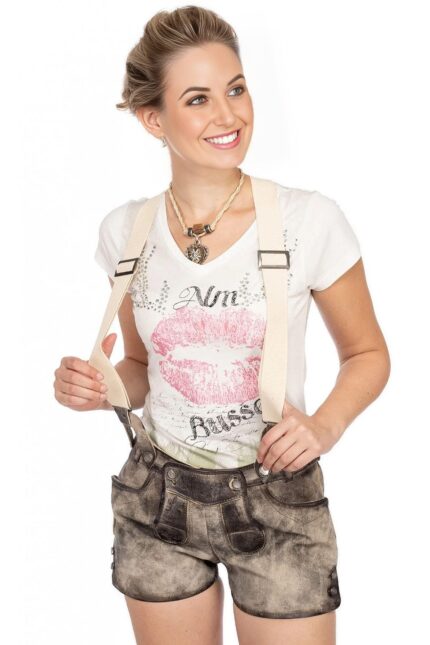 Beyoncé LederhosenOriginal price was: £ 500.00.£ 219.00Current price is: £ 219.00.
 -
Product on sale
 Romy Schneider LederhosenOriginal price was: £ 400.00.£ 249.00Current price is: £ 249.00.
 -
Product on sale
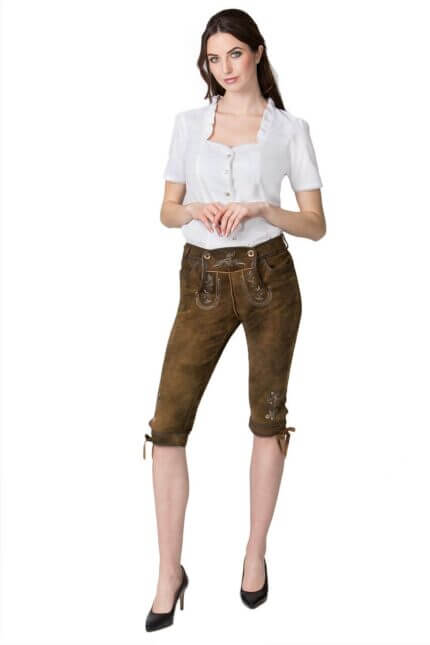 Claudia Schiffer LederhosenOriginal price was: £ 400.00.£ 230.00Current price is: £ 230.00.


Another trend we may see is the continued fusion of traditional and modern styles. As designers experiment with new ways to reinterpret lederhosen, we can expect to see innovative designs that push the boundaries of what lederhosen can be. This blending of old and new will keep lederhosen fresh and exciting, attracting new wearers while staying true to their cultural roots.
In conclusion, lederhosen is more than just a piece of clothing; they are a symbol of tradition, culture, and identity. Their enduring appeal and adaptability ensure that they will remain a beloved part of fashion for generations to come. Whether you’re wearing them to celebrate your heritage or simply as a stylish statement, lederhosen a is here to stay.
Conclusion: Embracing the Tradition of Lederhosen
Lederhosen is a unique and enduring symbol of cultural heritage, steeped in history and tradition. From their humble beginnings as practical workwear to their status as a modern fashion statement, lederhosen has remained relevant and cherished for centuries. Their versatility, timeless design, and deep cultural significance ensure that they will continue to be worn and celebrated for generations to come.
As we embrace the tradition of lederhosen, we honor the craftsmanship, artistry, and cultural values that have shaped these garments. Whether worn at a traditional festival, a casual outing, or as part of contemporary fashion, lederhosen is a powerful reminder of the importance of heritage and identity. So, the next time you slip into a pair of lederhosen, remember that you’re not just wearing a piece of clothing—you’re wearing a piece of history.
This blog post offers a comprehensive look at the rich history, cultural significance, and modern relevance of lederhosen. It highlights how these traditional garments have evolved and continue to be an important part of both cultural events and contemporary fashion. The post concludes by emphasizing the enduring appeal of lederhosen and their place in the future of fashion.


